
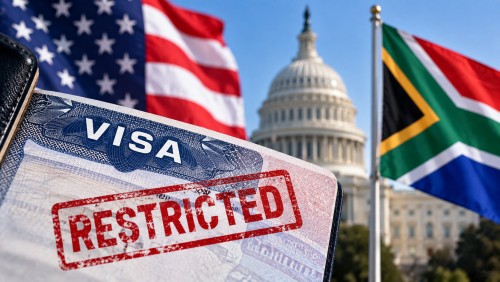
The United States has imposed new visa restrictions that could limit travel for certain foreign nationals linked to South Africa, potentially straining diplomatic relations and impacting individuals involved in contentious land reform and economic policies. The move targets those associated with actions perceived by Washington as enabling racial discrimination, land seizures without compensation, and fomenting violence against minority groups.
Announced by US Secretary of State Marco Rubio, these restrictions do not constitute a blanket ban on all South African citizens. Instead, they specifically aim at individuals deemed responsible for implementing policies that could have detrimental effects on US foreign policy. This development arises from American discontent over South Africa’s Broad-Based Black Economic Empowerment policies and the Expropriation Act, which have been cited as contributing to racial tensions.
The US government’s decision reflects ongoing disagreements with Pretoria over issues such as race-based policies, land reform, and South Africa’s foreign policy stances. Washington has expressed particular concern over certain political statements and chants that it believes exacerbate racial divides.
In response, South Africa has defended its initiatives, arguing that its land and economic empowerment measures are necessary to rectify inequalities inherited from the apartheid era. Pretoria insists these efforts are not aimed at targeting white citizens but are part of a broader strategy to address historical disparities.
No specific individuals have been named under the new visa restrictions, and the criteria for determining affected persons remain under the purview of the US State Department. The measures underscore the complex and often contentious nature of international relations between the two nations, rooted in divergent approaches to racial and economic justice.