
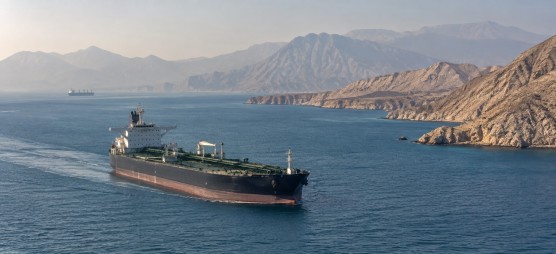
The reopening of the Strait of Hormuz could be on the horizon within a week, provided the United States takes steps to ease military pressure and lifts its blockade on Iranian ports. This development, announced by a senior Iranian official, carries significant implications for global energy shipments, as the strait is a critical route for oil transportation.
Iran’s proposal, conveyed to Washington through mediators on September 16, suggests a diplomatic approach to easing tensions. Tehran has indicated that negotiations could continue during the ongoing United Nations General Assembly in New York, where Iranian President Masoud Pezeshkian is present. While no direct meeting is scheduled between Pezeshkian and U.S. President Donald Trump, Iran has empowered its delegation to engage in diplomacy with the U.S.
The situation in the Strait of Hormuz has been tense, with Iran warning of potential retaliation if the United States resumes military operations in the region. The proposal to reopen the waterway comes with the caveat that the U.S. must reduce its military presence, a move that would not only ease regional tensions but also stabilize a vital energy corridor.
U.S. Secretary of State Marco Rubio has expressed openness to engaging with Iranian representatives during the UN assembly, although a formal meeting has yet to be arranged. Any discussions would need to align with U.S. objectives to prevent Iran from developing a nuclear weapon, a long-standing point of contention between the two nations.
Both Iran and the United States face mounting pressure to pursue a diplomatic resolution to their disputes, particularly regarding Iran’s nuclear program and the security of the Strait of Hormuz. This latest proposal could pave the way for renewed dialogue and reduced hostilities, with global implications for energy security and geopolitical stability.