
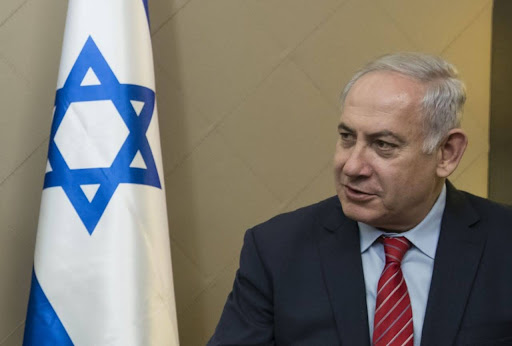
Israeli Prime Minister Benjamin Netanyahu used Friday’s press conference to articulate what he saw as the precise nature of the US-Israel partnership: Israel fights independently on the battlefield while benefiting from the strategic backing of an aligned and powerful American ally. He confirmed Israel had struck Iran’s South Pars gas complex alone while also declaring that Iran had lost all uranium enrichment and ballistic missile capabilities after twenty days of war. Netanyahu rejected claims of Israeli manipulation of US foreign policy.
The prime minister elaborated on the Trump-Israel relationship with candor and warmth. He described their coordination as the most closely aligned between two world leaders he had ever witnessed, while framing Trump as the dominant partner. Netanyahu disclosed that Trump had contributed his own independent and analytically deep understanding of Iran’s nuclear threat to their discussions, reflecting a genuine partnership of shared conviction.
Netanyahu confirmed Israel’s unilateral strike on South Pars and acknowledged Trump’s personal request to pause further strikes on Iranian gas infrastructure. He presented both the military action and the diplomatic communication transparently, framing them as healthy features of a mature alliance. Netanyahu maintained throughout that Israel’s operational independence remained intact.
On the Hormuz issue, Netanyahu called Iran’s closure threats blackmail that would fail. He proposed overland pipeline routes from the Arabian Peninsula to Israeli and Mediterranean ports as a permanent energy infrastructure solution. Netanyahu argued this would eliminate the Hormuz chokepoint as an instrument of Iranian pressure.
Netanyahu’s final remarks highlighted Iran’s visible leadership fragmentation. He noted Mojtaba had not been seen publicly since fighting began and admitted genuine uncertainty about who was governing the country. Netanyahu concluded that this leadership vacuum, combined with military losses, was pushing the conflict toward a faster-than-expected end.