
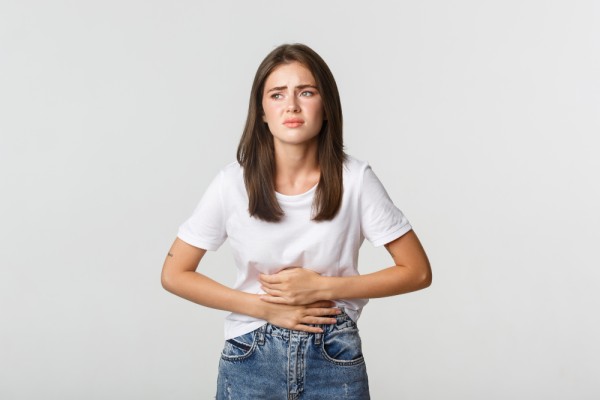
Diarrhoea is a frequent digestive issue that typically resolves on its own, but it can sometimes signal a more severe intestinal infection. Recognizing when a simple stomach upset escalates into a condition requiring medical intervention is crucial in preventing potential complications.
Most cases of diarrhoea are mild, often resulting from viral infections, food intolerances, overeating, or short-term digestive disturbances. These instances usually present with loose stools, slight stomach discomfort, and general weakness. Proper hydration and replenishing lost electrolytes often aid in recovery.
However, there are warning signs that suggest a more serious gut infection that might need medical attention. If diarrhoea persists beyond two to three days, or is accompanied by symptoms such as high fever, severe stomach cramps, blood or mucus in stools, or dehydration indicators like dizziness, extreme thirst, and reduced urination, professional healthcare advice should be sought. Understanding recent dietary habits, travel history, and contact with others showing similar symptoms can help determine if a bacterial or other harmful organism is the cause.
Shigella is one bacterial infection known to cause severe diarrhoea. This infection spreads easily through contaminated food, water, infected surfaces, or direct person-to-person contact, and even a minimal amount of the bacteria can result in illness. Symptoms of Shigella include watery or bloody diarrhoea, fever, abdominal cramps, and frequent urges to defecate, typically appearing a few days after exposure. While many recover with supportive care, more severe cases may necessitate medical treatment.
Preventing diarrhoeal infections largely hinges on good hygiene practices. Regular handwashing with soap, using safe drinking water, ensuring food is properly washed, and cooking meals thoroughly can significantly reduce infection risks. Additionally, maintaining clean surroundings, avoiding contaminated water sources, and following precautions after an illness can help curb the spread of gut infections.