
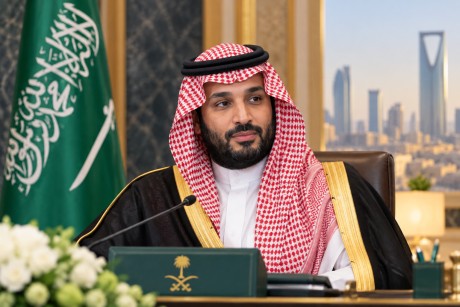
On Tuesday, Saudi Arabia’s Crown Prince and Prime Minister Mohammed bin Salman is set to visit Egypt for a crucial meeting with President Abdel Fattah El-Sisi. This significant diplomatic engagement will see the two leaders holding bilateral talks aimed at enhancing the robust ties between their nations. Following their private discussions, an expanded session will be held involving key officials from both countries.
The primary agenda of this high-level visit is to bolster Saudi-Egyptian relations further and to explore avenues for cooperation across various sectors. Both leaders are also poised to exchange perspectives on pressing regional and international issues that are of mutual interest to their countries. The visit underscores the ongoing efforts to deepen coordination on political and regional matters between the two influential Middle Eastern nations.
Highlighting the importance of this visit, President El-Sisi will host a luncheon in honour of Crown Prince Mohammed bin Salman. This gesture reflects the strong and enduring partnership between Saudi Arabia and Egypt, which has been pivotal in addressing several regional challenges. The dialogue between the two leaders is expected to cover a wide range of topics, from economic collaboration to strategic security concerns.
The meeting comes at a time of significant geopolitical shifts in the region, making the collaboration between Saudi Arabia and Egypt crucial for maintaining stability and promoting development. Both nations have historically shared a strategic alliance, often playing key roles in regional politics. This visit is a testament to their commitment to continue working closely on common goals and interests.
As the world watches, the outcome of this visit could have important implications for regional diplomacy and cooperation. With both countries eager to address shared challenges and seize new opportunities, the talks between Crown Prince Mohammed bin Salman and President El-Sisi hold the promise of further strengthening one of the Middle East’s most important bilateral relationships.