
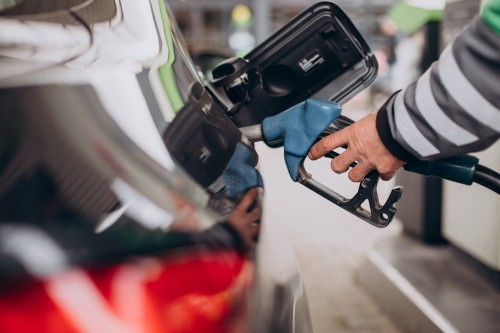
In response to significant fuel price hikes in 2026, South African motorists are curbing their driving habits to manage the financial strain on their households. April saw petrol prices surge by R3.06 per litre, while diesel prices experienced a record increase of R7.51 per litre. To alleviate some of the pressure, the government temporarily implemented a R3 per litre tax relief. However, this respite was short-lived as May brought further increases, with petrol climbing by an additional R3.27 per litre and diesel by R6.18 per litre.
According to data from Discovery Insure, these rising costs have led consumers to markedly reduce their travel expenses. In April, fuel purchases plummeted by 35 percent, alongside a 10 percent reduction in the number of trips taken. Even during the traditionally busy Easter holiday period, total driving distances decreased by 9 percent. Discovery Insure CEO Robert Attwell noted that the escalating fuel prices are prompting motorists to be more discerning about their vehicle usage, focusing on essential journeys.
Complementary insights from Discovery Bank reveal that the majority of current fuel spending is directed towards necessary travel, such as commuting, school runs, and grocery shopping. Meanwhile, ride-hailing services are gaining traction, particularly among the 18 to 30 age group, as they seek cost-effective alternatives to personal vehicle use.
Looking ahead, diesel users might find some reprieve with a potential drop in wholesale prices by as much as R2.44 per litre. Conversely, petrol prices are expected to increase further, by approximately R1.69 per litre. As the situation stabilizes, the National Treasury plans to begin phasing out the temporary fuel levy relief introduced earlier in the year, starting in June. This phased removal will depend on the continued stabilization of fuel prices.