
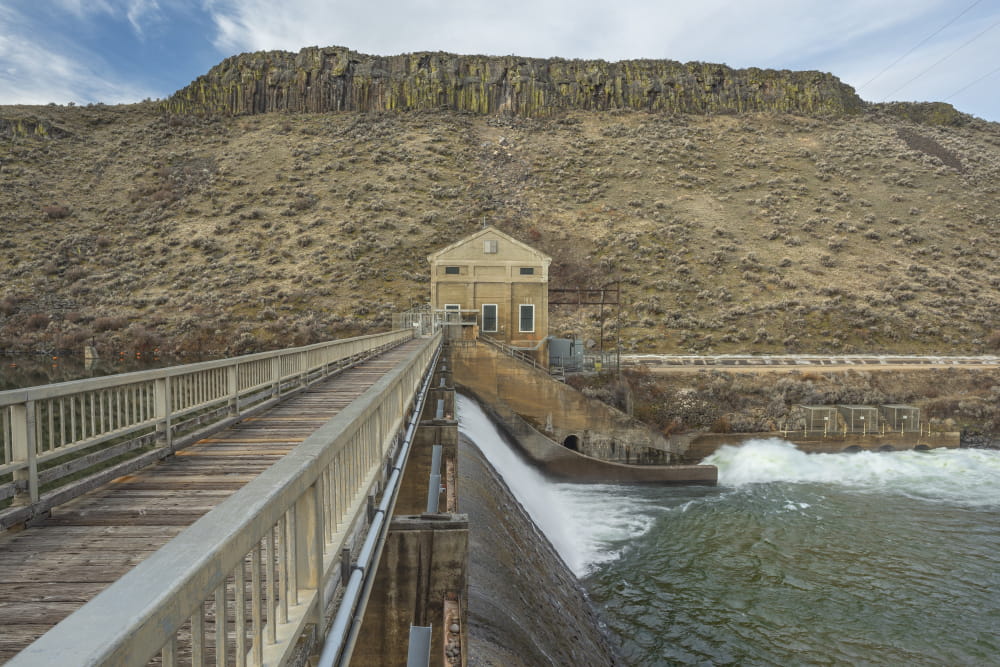
In a significant development for Cape Town, recent cold fronts have brought substantial rainfall, leading to a remarkable increase in the city’s dam levels. Earlier concerns over potential water shortages have been eased due to the intense weather conditions experienced in the Western Cape this week. Previously, officials were apprehensive about the lower dam levels compared to last year’s figures, but the recent weather shift has brought a sense of cautious optimism.
As of Wednesday, Cape Town’s six major dams reported a combined water storage capacity of 67.8%, a notable improvement from the 48.3% recorded just a week prior. The City of Cape Town and the National Department of Water and Sanitation closely monitor these figures to evaluate water availability and decide on the necessity of imposing water restrictions on residents and businesses. Maintaining sufficient dam levels is vital for ensuring the city’s stable water supply, earning Cape Town its nickname, the Mother City.
The significance of these dams extends beyond Cape Town, as they form a crucial part of the Western Cape Water Supply System. This system encompasses dams, pump stations, pipelines, and tunnels that together manage the region’s water resources. The system not only serves the city but also provides water to towns in the Overberg, Boland, West Coast, and Swartland regions, supporting both domestic and agricultural irrigation needs.
While the recent rise in dam levels allows the region to temporarily set aside some of its previous concerns about water scarcity, officials continue to closely monitor the situation. Ensuring long-term water security for urban and agricultural demands remains a priority. Though the heavy rains have offered much-needed relief, sustained attention to effective water management practices is essential to safeguard the future.