
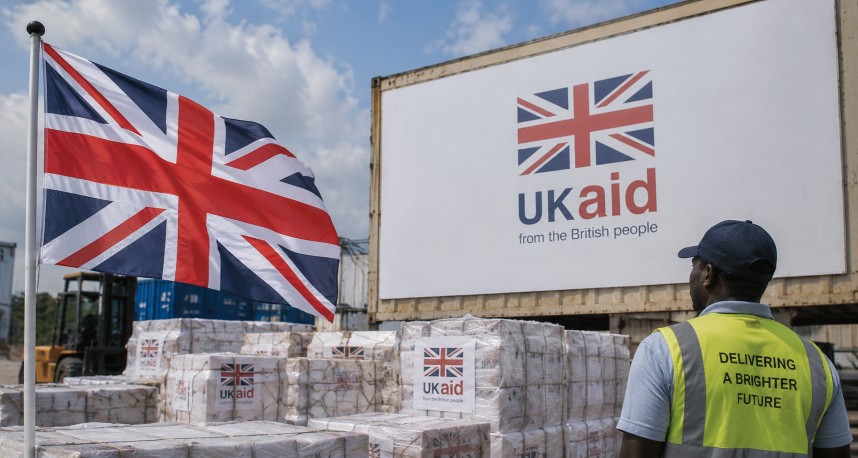
The United Kingdom is planning a substantial reduction in bilateral foreign aid to several African nations in the coming years, marking a strategic shift in its approach to development funding. Official data indicates that aid to countries such as Mozambique and Malawi is set to decrease by up to 90% by 2029. Meanwhile, Rwanda and Sierra Leone are expected to experience reductions of approximately 80%, with Somalia potentially seeing a near 50% cut.
This move is part of the UK government’s strategy to channel more resources through multilateral institutions like the World Bank, with the aim of enhancing the effectiveness of development aid. The government argues that this method will not only bolster the impact of its assistance but also allow for increased defense spending. Despite this rationale, the decision has drawn criticism from aid organizations, which caution that the cuts could severely impact humanitarian initiatives, poverty reduction programs, and support for communities grappling with conflict, climate change, and health crises.
Critics argue that diminishing direct aid might erode established development partnerships across the African continent. They stress the importance of maintaining these relationships to support ongoing efforts in addressing pressing issues faced by vulnerable populations. Nonetheless, UK government officials assert their commitment to tackling global challenges through modernized international collaborations, ensuring that resources are allocated where they can achieve the most significant outcomes.
The revised aid strategy comes at a time when the UK is positioning itself to assume a more prominent role in global economic cooperation. This shift aligns with ongoing discussions about the future direction of the country’s overseas development policy. As the UK navigates this new path, the debate over the best methods to support international development continues, balancing the need for strategic partnerships with the imperative of addressing immediate humanitarian needs.