
As negotiations between the United States and Iran continue, the possibility of reaching a peace agreement remains uncertain amid conflicting signals from both nations. US President Donald Trump recently expressed skepticism about the imminence of a deal, criticizing Iran’s negotiation tactics and urging Tehran to expedite the process. Despite earlier speculations that an agreement was nearing completion, Trump clarified that reports suggesting a finalized draft were inaccurate.
Conversely, Iranian officials have indicated notable advancements in the discussions, asserting that the framework for a potential agreement is close to completion. However, they have underscored that specific details will only be disclosed once the talks conclude. US officials remain optimistic, suggesting that a deal could be formalized within days. The proposed agreement reportedly includes economic incentives and sanctions relief for Iran, contingent upon Tehran’s adherence to key obligations.
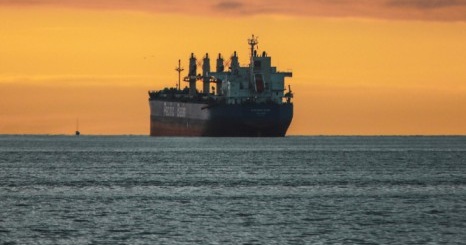
Significant disagreements persist, particularly regarding Iran’s nuclear program, regional security issues, and the freedom of navigation through the strategically crucial Strait of Hormuz, a vital corridor for global energy shipments. Recent military incidents in this region have underscored the fragile security landscape, despite ongoing diplomatic initiatives.
Both Washington and Tehran are under mounting domestic pressure to achieve a resolution. The US administration is eager to mitigate concerns over rising fuel prices and potential political repercussions, while Iran grapples with economic hardships stemming from sanctions and inflation. Meanwhile, Israeli Prime Minister Benjamin Netanyahu has reaffirmed Israel’s alignment with the US in preventing Iran from developing nuclear weapons, as broader regional security discussions continue.