
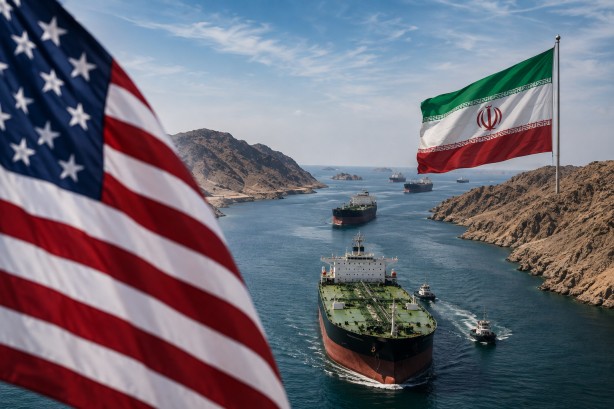
Negotiations between the United States and Iran regarding the reopening of the Strait of Hormuz are reportedly making progress, with a possible agreement anticipated in the near future. US Treasury Secretary Scott Bessent has indicated that discussions with Tehran remain active, expressing optimism about a potential breakthrough. The proposed agreement aims to allow commercial vessels to navigate the strategic waterway toll-free, ensuring uninterrupted passage.
Qatar, playing a key role as a mediator, has confirmed that a de-escalation framework is being circulated among the involved parties as diplomatic efforts continue. The Strait of Hormuz is a vital corridor for global oil and energy transportation and has recently faced significant disruptions due to escalating regional tensions. The prospect of an agreement has already led to a decrease in oil prices, with experts predicting further declines if normal shipping operations resume.
President Donald Trump has stated that he delayed planned military action against Iran to give diplomacy a chance, underscoring the importance of negotiations. He emphasized that any forthcoming agreement should not only focus on reopening the Strait of Hormuz but also address concerns related to Iran’s nuclear program. This strategic approach aims to ensure both regional stability and security in maritime traffic.
Previously, an understanding between the US and Iran regarding the reopening of the waterway fell apart due to disagreements over shipping routes, which contributed to a surge in tensions. Current negotiations are centered around reaching a new consensus that would facilitate the restoration of maritime traffic and reduce regional instability. The developments reflect ongoing efforts to stabilize a critical area for international trade and energy supply.