
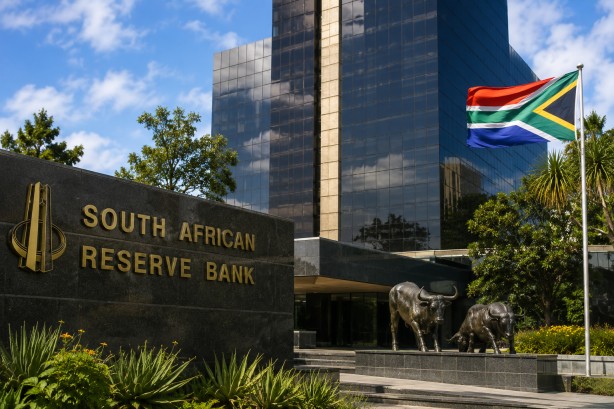
The South African Reserve Bank prioritizes inflation control over economic growth when setting interest rates, as highlighted by Annabel Bishop, Chief Economist at Investec. As the bank prepares to announce its upcoming repo rate decision, Bishop emphasized that interest rates are determined based on inflation projections over the next six to twelve months. The primary goal remains price stability, with a specific inflation target set at 3% for the year 2026.
To achieve this objective, higher interest rates are employed as a tool to curb inflation. This is accomplished by discouraging borrowing and encouraging savings, which in turn lowers consumer demand. Additionally, elevated interest rates tend to strengthen the rand, South Africa’s currency, thereby potentially reducing the cost of imported goods.
While this strategy can impose financial strain on consumers in the short term, especially as borrowing costs rise, it is designed to stabilize the economy by controlling inflation. Bishop noted that the current conditions are expected to improve starting in 2027. This improvement is anticipated to be driven by lower inflation levels and the potential for future reductions in interest rates.
The approach of the South African Reserve Bank underscores the importance placed on maintaining price stability as a foundation for long-term economic health. By focusing on controlling inflation, policymakers aim to create a more predictable economic environment, which, in the long run, could benefit both consumers and businesses alike.
This strategy reflects a broader economic philosophy where short-term sacrifices in consumer spending power are deemed necessary to achieve sustainable growth and stability. As South Africa navigates its monetary policy landscape, the central bank’s actions will remain a critical factor in shaping the country’s economic trajectory in the coming years.