
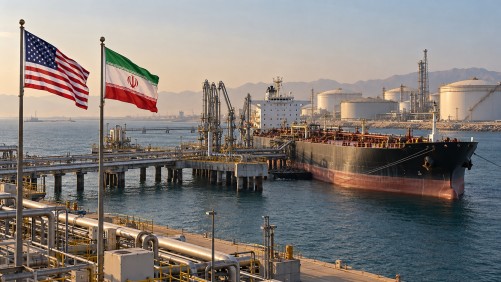
Oil prices have surged as diplomatic tensions between the United States and Iran continue to hover over the market, outweighing the effects of recovering crude supplies from the Middle East. Brent crude futures for November delivery rose by 0.6% to $103.16 a barrel, while the more active December contract experienced a 94-cent increase to $97.10. Concurrently, the US West Texas Intermediate crude saw a 0.9% rise, reaching $90.20 a barrel.
This uptick in prices comes amid ongoing diplomatic efforts between Washington and Tehran aimed at resolving longstanding conflicts. Although Qatar remains hopeful that continued discussions could yield positive developments, US President Donald Trump has denied reports suggesting that Washington is considering easing sanctions or releasing frozen Iranian funds in return for Iran’s commitments on its nuclear program.
Meanwhile, oil flows from the Gulf region are showing signs of recovery. Saudi Arabia has resumed tanker loadings at its Red Sea port of Yanbu after bringing its East-West Pipeline back online. Despite this, analysts caution that continued fuel shortages and elevated shipping costs could maintain pressure on the energy markets.
Adding to the market’s uncertainty, US crude and gasoline inventories have increased over the past week, while stocks of distillates have declined. These conflicting signals contribute to the ongoing unpredictability surrounding fuel supplies and market dynamics.
Overall, despite the resumption of some oil supplies, the geopolitical landscape continues to play a significant role in influencing oil prices, with market participants closely monitoring the developments in US-Iran relations and their potential impact on global energy markets.